Prawn Sambal

Source : Prep All The Ingredients Clean The Prawn But Leave The Shells On Soak Tamarind Paste In 2-3 Tbsp Of Hot Water Then Use Your Finger To Mash Until It ...

PreTime
more Minutes
CookTime
a few Minutes
Yield
Some Servings

Sent by

at : November 14, 2025

Step:

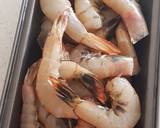
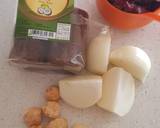
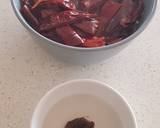
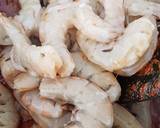
  1. Prep all the ingredients. Clean the prawn but leave the shells on. Soak tamarind paste in 2-3 tbsp of hot water. Then use your finger to mash until it 'dissolves' and you have a light brown thick juice or sauce. Keep aside. Soak and soften cut dried chillies in hot water. Blend softened dried chillies with the rest of the ingredients in B.

    Prawn Sambal recipe step 1 photo Prawn Sambal recipe step 1 photo Prawn Sambal recipe step 1 photo
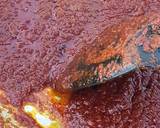
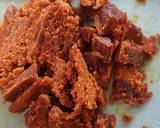
  2. Cooking the prawn sambal - Heat 1/3 cup of cooking oil in a wok or big deep pan. Add B (blended ingredients, cook and stir for 5 minutes over high heat until the paste is separated from the oil. Stir in C and then add A (the prawns). Turn to medium heat and simmer for a minute.

    Prawn Sambal recipe step 2 photo Prawn Sambal recipe step 2 photo Prawn Sambal recipe step 2 photo
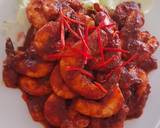
  3. Season with D. Taste and adjust seasonings accordingly. Add few tablespoons of water if necessary. The sambal, however, should be thick. Once the prawns turn to bright pink or red, the prawn sambal is ready. Avoid over cooking the prawn. Remove from the heat and dish up.

    Prawn Sambal recipe step 3 photo Prawn Sambal recipe step 3 photo Prawn Sambal recipe step 3 photo

Ingredients

  1. A. 1 kg Prawns
  2. B. Blended
  3. 1 C dried chilies
  4. 1 medium size brown onion
  5. 5 garlic
  6. 5 candlenuts
  7. 2 thumb size Belacan / shrimp paste / terasi
  8. c
  9. 1 thumb size Tamarind paste
  10. 2-3 tbsp water
  11. D. Seasonings
  12. 46 g coconut sugar or palm sugar - grated, crushed or shaved
  13. 1 tbsp sugar
  14. 1/2 tsp (or to taste) chicken seasoning powder
  15. Notes on Dried Chillies
  16. ~ Asian groceries sell variety of Dried Chilies that are packed in different sizes. It ranges from mildest to hottest. We usually get two big bags, the mildest and the hottest
  17. ~ In most of my Asian recipes, i combine these two types, 1/3 of the hottest ones and the rest is the mild type. Adjust your preferred heat accordingly. Experiment and know your chillies
  18. ~ The mildest one is needed for the paste and the hottest one is, of course, for the heat
  19. ~ Its best to check the label before buying. Most labels do include the level of heat of their packed chillies from mild to EXTRA HOT
  20. Notes on Tamarind:
  21. ~ Tamarind is available in most, if not all, Asian groceries. It comes in a block of pulp with either seeds or seedless and also in a jar/container of concentrated thick paste
  22. ~ We prefer the seedless tamarind paste that comes in a block. Soak a thumb-size in hot water, then push the pulp through a sieve and discard any fibers and broken seeds
  23. Notes on Coconut Sugar:
  24. ~ Coconut sugar is added for its flavour. Its available from Asian groceries and labeled as Coconut Sugar
  25. ~ A packet of Pure Coconut Sugar comes with small blocks that usually weigh around 46g - 50g
  26. ~ Unlike Palm Sugar, a block of Pure Coconut Sugar melt easily when expose to heat and its fairly easy to crush, shave or grate

Related Recipes

Pork  Garlic Mushroom Pasta

Pork Garlic Mushroom Pasta

Vanilla and red velvet cake

Vanilla and red velvet cake

Meat floss Dambun Nama

Meat floss Dambun Nama

Mushroom Biryani

Mushroom Biryani

Perfect Pancakes

Perfect Pancakes

Easy Poor mans Lasagna

Easy Poor mans Lasagna

Chicken Stir Fry With Vegetables and Kaffir Lime Leaves

Chicken Stir Fry With Vegetables and Kaffir Lime Leaves

Homemade Sweet Potato Fries

Homemade Sweet Potato Fries