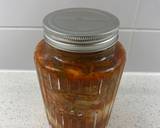
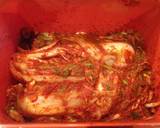
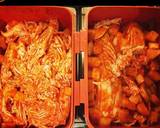
Kimchi

Source : For The Cabbage Salting Is The First Process Wash The Cabbage Cut The Cabbage In Half And Then Each Half Into Half Again Sprinkle Coarse Sea Salt Be...

PreTime
more Minutes
CookTime
a few Minutes
Yield
Some Servings

Sent by

at : October 6, 2025

Step:

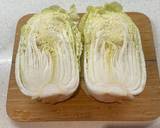
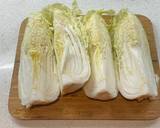
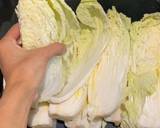
  1. For the cabbage, salting is the first process. Wash the cabbage, cut the cabbage in half and then each half into half again. Sprinkle coarse sea salt between the leaves of each cabbage starting from the bottom of the leaves where the stem is and working towards the top.

    Kimchi recipe step 1 photo Kimchi recipe step 1 photo Kimchi recipe step 1 photo
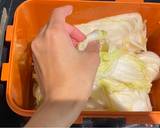
  2. Place salted cabbage in a large container with a lid and leave for 4 hours. Then turn the cabbage over and leave them for another 4 hours or over night. The cabbage are ready to be washed when you can bend the cabbage leaves without them snapping. Rinse the cabbage leaves a few times to wash of the salt properly and thoroughly.

    Kimchi recipe step 2 photo Kimchi recipe step 2 photo
  3. Thoroughly wash the cabbage in water about 3-4 times. Tip: each time the cabbage is washed it should be with fresh water. Tear a tiny piece of the cabbage leave to taste how salty it is. If the cabbage still taste salt wash a few more times to get rid of the remaining salt.

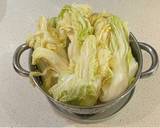
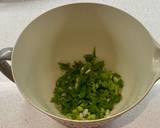
  4. Drain the cabbage using a colander and leave for an hour or so to get rid of any excess water on the leaves. In the meantime chop the spring onion sideways and place in a large mixing bowl and set aside.

    Kimchi recipe step 4 photo Kimchi recipe step 4 photo
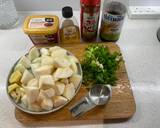
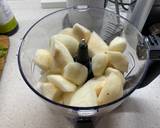
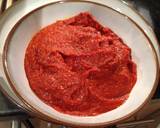
  5. In a blender or food processor place the garlic cloves, onion, ginger, pear and blend together. Tip: If it does not blend add a tiny bit of water to start the process. Once ingredients are blended, it should be a smooth paste like consistency.

    Kimchi recipe step 5 photo Kimchi recipe step 5 photo Kimchi recipe step 5 photo
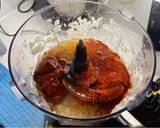
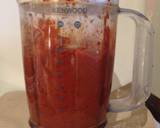
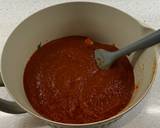
  6. Now add chilli flakes and fish sauce, honey, red pepper paste and water. Mix again until the paste now looks red. Give it a taste and adjust if needed (add more honey if you prefer it sweeter, chilli flakes or red pepper paste to make it hotter or fish sauce for saltiness etc). Tip: the paste should be a nice consistency so it's spreadable. Paste should not be too thick or thin (runny).

    Kimchi recipe step 6 photo Kimchi recipe step 6 photo Kimchi recipe step 6 photo
  7. Pour the paste into the large mixing bowl with the finely cut spring onions. Mix everything well together and ensure everything is evenly distributed and coated.

    Kimchi recipe step 7 photo
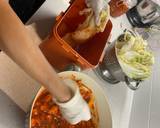
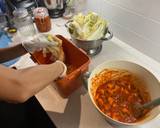
  8. Now it is time to coat each individual cabbage leaves with the paste. Tip: best for this part to wear some rubber gloves and an apron when applying paste as it stains and can get messy. On a large baking tray place a quarter cabbage quarter onto the tray and apply the paste mix in between each of the individual leaves. Generously applying the paste on each of the leaves.

    Kimchi recipe step 8 photo Kimchi recipe step 8 photo
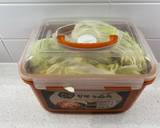
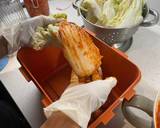
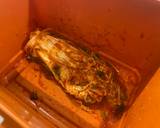
  9. Once it has been coated well place the that cabbage quarter into the large container or special kimchi boxes (that allow no air to escape). Or if making smaller portions cut the cabbage quarter across into two halves to fit better into the jar(s).

    Kimchi recipe step 9 photo Kimchi recipe step 9 photo
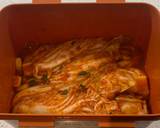
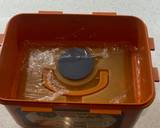
  10. Repeat the process until there are no more cabbage quarters and leave left to be pasted. Once the jars or containers are full, cover the top with cling film (to prevent air escaping which allows it to ferment better) and place the lid on top of the containers or close the jars.

    Kimchi recipe step 10 photo Kimchi recipe step 10 photo Kimchi recipe step 10 photo
  11. Leave the kimchi at room temperature in a cool place away from sunlight and heat. The fermentation process should begin 2 days later. Once it starts to ferment, bubbles will also appear (the bubble gives the taste of tanginess due to it making its own vinegar). Tip: It is ready in about a week and do not be tempted to open the jars or containers before then. Best not to open the kimchi before the week as it will affect the fermentation process.

    Kimchi recipe step 11 photo Kimchi recipe step 11 photo
  12. After the week is up the kimchi is ready to eat. To eat the kimchi for serving, take one quarter out of the container. Cut once down the middle lengthwise. Then cut across both halves a few times for bite size pieces. Or if using the kimchi from the jar place the kimchi does not need to be cut. Tip: The cabbage end is not served.

  13. Tip: Kimchi kept at room temperature, lasts 1 week after opening. In the fridge it stays fresh much longer and can be kept between 3 to 6 month as it continues to ferment, this can lead to a more sour taste. Fridge the kimchi after opening as warmer temperatures can spoil it quicker. Place kimchi on a serving plate. Eat and serve as a side dish with a bowl of steamed rice and other accompaniments. Or can even be eaten as a snack or make into a stew and soup.


Ingredients

  1. Salting the cabbage:
  2. 3 Chinese cabbages, each cut into half and then into quarters
  3. 2-3 cups coarse sea salt
  4. Water for rinsing Chinese cabbage
  5. Kimchi paste:
  6. 1 brown onion, cut into quarters
  7. 5-6 whole cloves garlic (use more or less depending on preference)
  8. 1-2 slices ginger (add more or less depending on preference)
  9. 2-3 Chinese pear (or use sweet and juicy gala or fuji apples), peeled and cut into chunks
  10. 2-3 tablespoons honey or sugar (use more or less depending in preference)
  11. 1/4 cup fish sauce (use more or less depending on preference)
  12. 1/4 cup Korean chilli flakes (these flakes are finer, use more or less depending on preference)
  13. 3 tablespoons Gochujang Hot Pepper Paste (use more or less depending on preference)
  14. 1/4 cup water (may need to add more water)
  15. 4 spring onions finely sliced (to be added into paste at the end)

Related Recipes

Focaccia bread with Mortadella grilled tomatoes melted mozzarella and cornichons

Focaccia bread with Mortadella grilled tomatoes melted mozzarella and cornichons

Ribeye steak

Ribeye steak

Mayo shredded chicken with melted cheese sandwich

Mayo shredded chicken with melted cheese sandwich

Mapo tofu

Mapo tofu

Kimchi

Kimchi

Pork rib soup with pickled mustard greens

Pork rib soup with pickled mustard greens

Potato and marrow soup

Potato and marrow soup

Chocolate and oat cookies

Chocolate and oat cookies